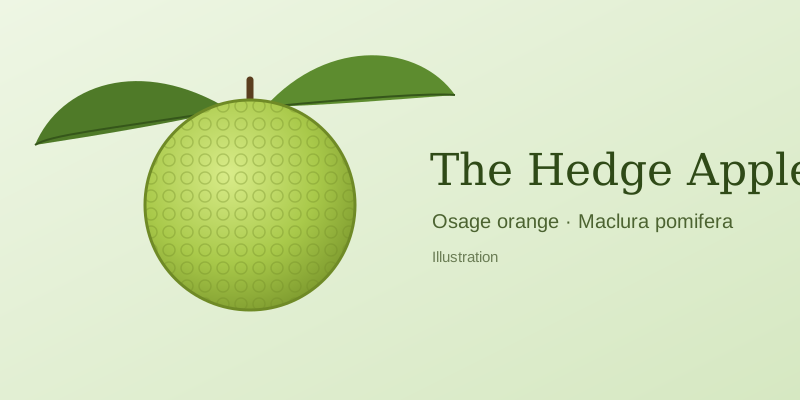
How to Use Hedge Apples as Natural Pest Repellent: The Complete Guide
Hedge apples — the fruit of the Osage orange tree (Maclura pomifera) — have been used for generations as a folk remedy against household pests. The scientific evidence is weak: laboratory research has found insect-repelling compounds in extracts of the fruit, but whole hedge apples placed in a home have not been shown to work reliably. Here's what to know if you want to try them.
What Makes Hedge Apples Repel Pests?
Laboratory research at Iowa State University found that compounds extracted from hedge apples repelled German cockroaches in controlled tests. No peer-reviewed study has shown the same effect on spiders. However, these compounds are concentrated in the fruit's juice and rind, which means whole hedge apples placed in a room may not release enough of these compounds to be highly effective at a distance. The closer the fruit is to pest entry points or sheltering areas, the better.
Which Pests Does It Work Against?
Based on folk evidence and available research, hedge apples appear most effective against:
- Spiders: A common folk use; many homeowners place hedge apples in corners and along walls for this purpose, but there is no published research showing it works
- Cockroaches: Laboratory studies show repellent effects on German cockroaches
- Box elder bugs: Anecdotal evidence is strong for keeping these seasonal pests out
- Crickets: Often reported as effective, particularly in basements and crawl spaces
Proper Placement for Best Results
For maximum effectiveness, place hedge apples at or near pest entry points — along baseboards, in corners, near exterior doors, in basement window wells, and in crawl spaces. The fruit needs to be close to where pests are sheltering or traveling, not simply placed decoratively in the center of a room. Replace them every two to three months or when they begin to dry out significantly.
Indoor vs. Outdoor Use
Indoor placement on saucers or in mesh bags prevents staining and makes it easy to monitor the fruit's condition. Outdoors, hedge apples can be placed along foundation walls, under decks, or near compost areas where pest activity is high. They will decompose naturally and don't create any environmental concern when placed outdoors.
Limitations and Realistic Expectations
Hedge apples are not a total pest control solution. They won't eliminate an existing infestation and should be considered a preventive deterrent rather than a treatment. Their effectiveness also diminishes as they dry and age — fresh green fruit is considerably more potent than old shriveled specimens. Always combine hedge apple use with good sanitation practices and structural pest exclusion.
Harvesting and Storing Hedge Apples
Hedge apples are typically available from late September through November in most parts of their range. They keep well at room temperature for several months if kept dry. Some people refrigerate them to extend shelf life, which can work reasonably well. Avoid placing them where excessive moisture could accelerate rot.
For more natural pest control strategies, explore our companion planting guide or visit our natural remedies resource section for additional organic approaches to garden and home pest management.